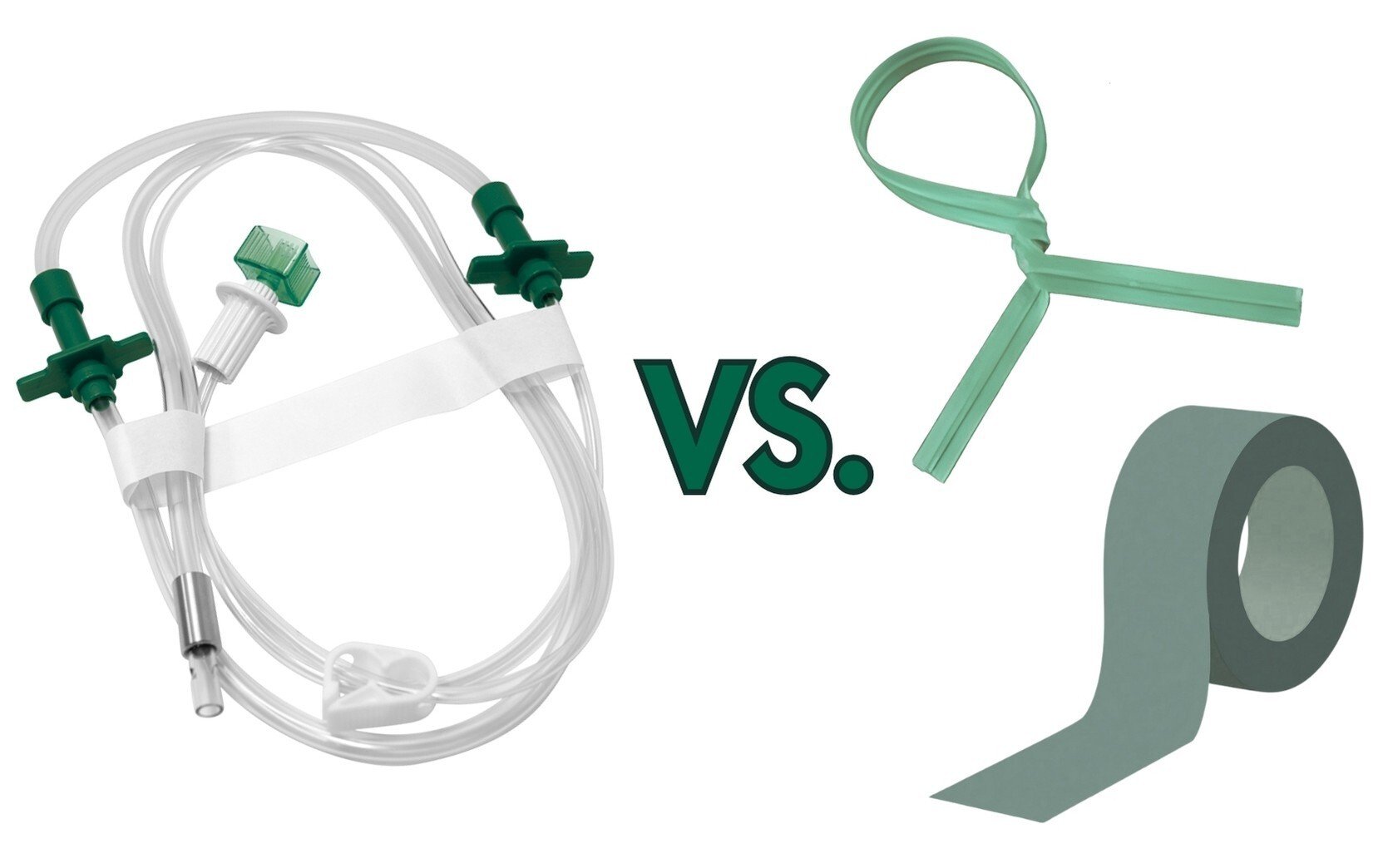
.png)





Explore various methods to secure medical tubesets with Ryandra® cohesive tape, ensuring packaging consistency, efficiency, and ergonomics in medical environments.
Different Ways to Secure Medical Tubesets with Cohesive Tape
Cohesive tape is widely used to secure medical tubesets because it sticks only to itself, leaves no residue, and performs reliably through common sterilization processes. While the material itself is well understood, how cohesive tape is applied plays a meaningful role in packaging consistency, ergonomics, and overall efficiency.
In practice, manufacturers rely on a small number of proven securement methods. Each approach supports different tubeset geometries, packaging flows, and assembly preferences. Below are the most common ways cohesive tape is used to secure medical tubesets.
The Standard Wrap Method
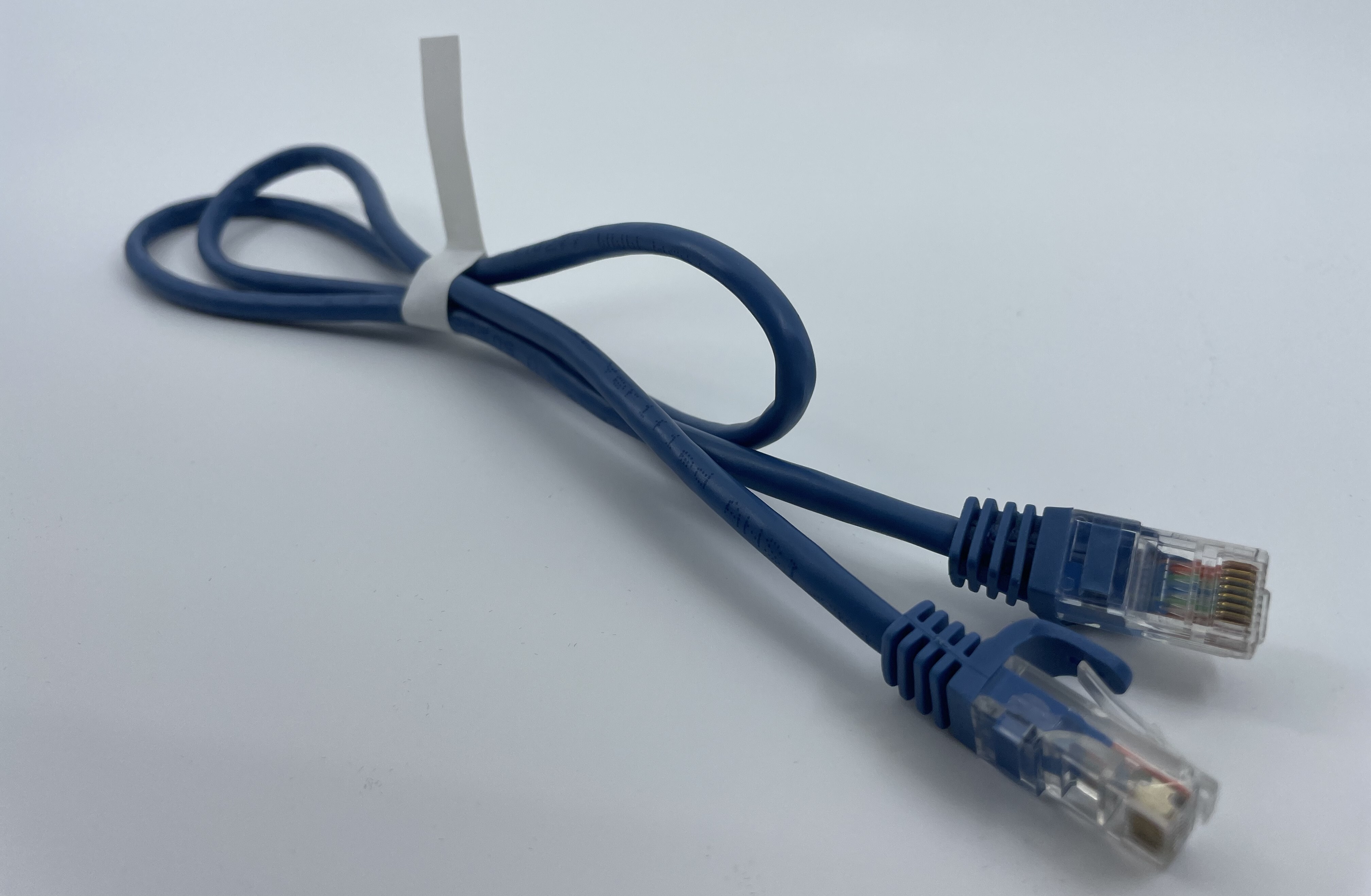
The standard wrap method is the most common approach for securing medical tubesets. In this method, cohesive tape is wrapped around a section of the tubeset to create a compact, stable bundle, with a tab extending outward from the wrap.
The tab provides a consistent point for end users to remove the tape from, and is also an easy step in the packaging process. Since cohesive tape bonds only to itself, the wrap remains clean and residue‑free, even when applied with light pressure.
This method is especially effective when consistent bundle geometry is important. The full wrap controls coil diameter and helps prevent tubing from shifting, which supports repeatable packaging outcomes across production runs.
The standard wrap method is typically used when:
- Tubesets are lighter and have consistent diameter
- Tight, compact bundles are preferred
- Speed and consistency are priorities in higher‑volume environments
For many manufacturers, this becomes the default method because it balances securement, ergonomics, and simplicity.
Belly Banding Methods
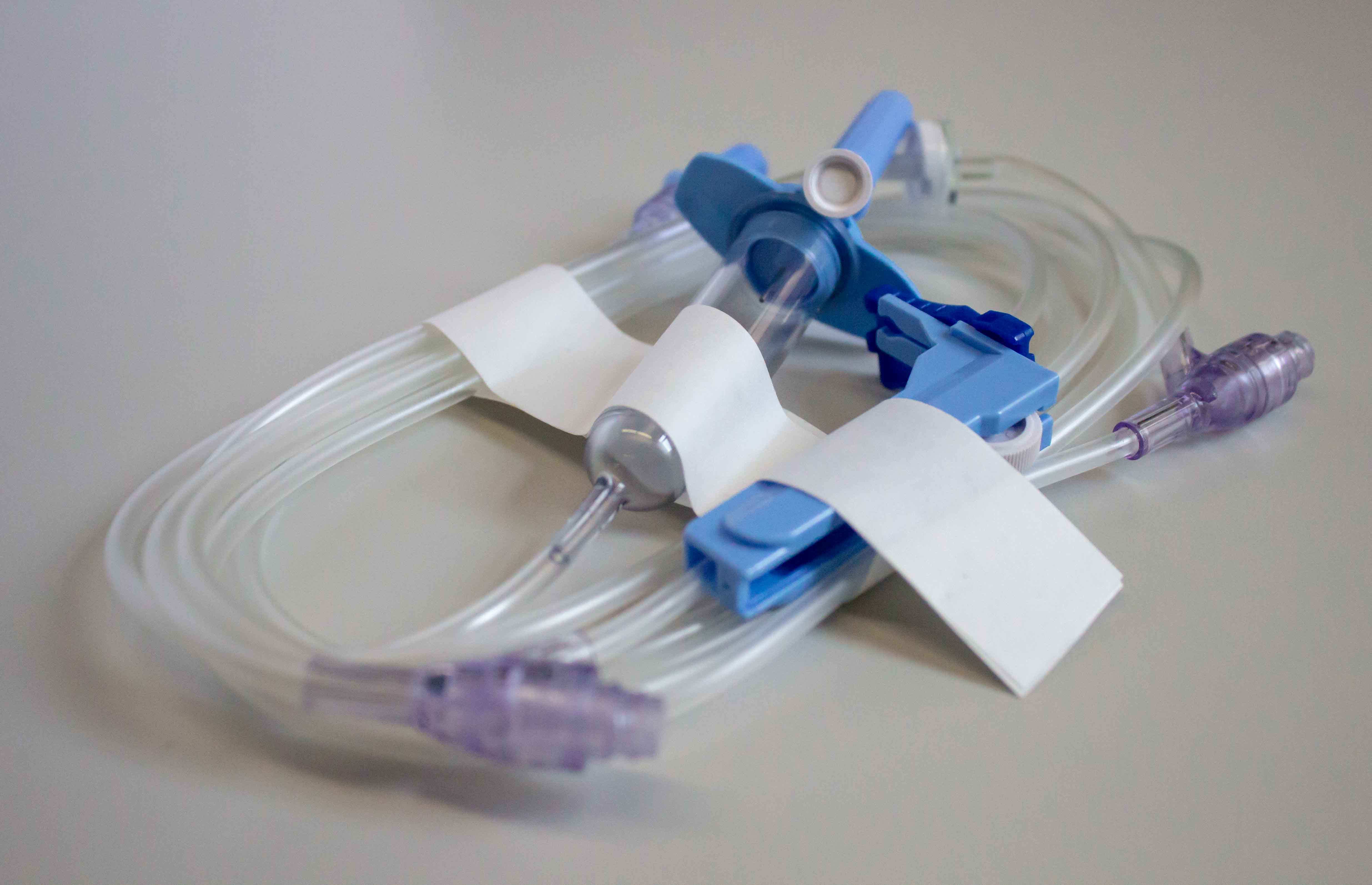
Belly banding offers an alternative approach when full compression of the tubeset coil isn’t ideal. Instead of wrapping the tape around a section of the tubeset, a single band of cohesive tape is applied around the center, or “belly,” of the entire tubeset.
This approach secures the tubeset while allowing it to retain a more natural shape. Belly banding is commonly used for longer and bulkier tubesets where standard wrapping doesn’t quite cut it.
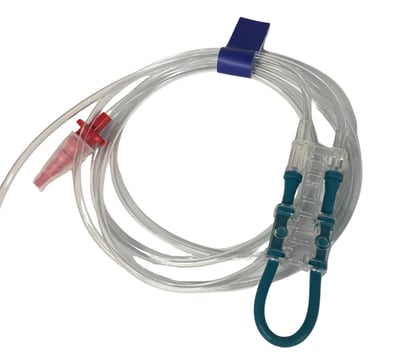
Belly Banding Without a Tab
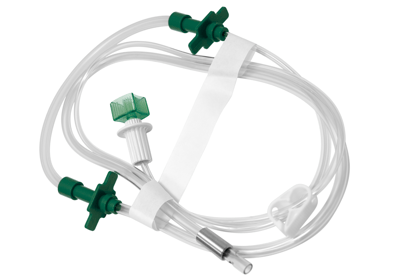
In this variation, the ends of the cohesive tape overlap and bond to each other, forming a smooth, continuous band with no tab extending outward.
This method typically requires two hands: one to stabilize the tubeset and one to apply and overlap the tape. While slightly slower from an assembly standpoint, it results in a clean, low‑profile bundle with nothing protruding from the exterior.
Belly banding without a tab is commonly chosen when:
- A smooth outer profile is preferred
- Avoiding protrusions or snag points is a priority
This approach is often favored when packaging aesthetics or downstream automation benefit from a completely uninterrupted exterior.
Belly Banding with a Tab
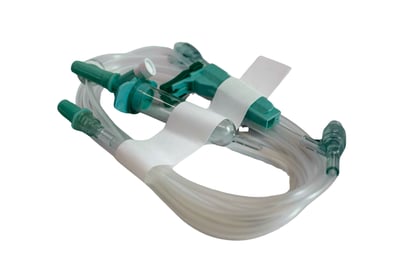
Adding a tab to the belly band changes the securement process more than the final appearance. In many cases, this method can be performed in a single, continuous motion, making it faster and more ergonomic than belly banding without a tab.
The tab gives operators a consistent grip and overlap point, reducing the need to reposition hands during application. This can improve cycle time and repeatability, especially in high‑mix or higher‑volume environments.
Belly banding with a tab is typically selected when:
- Faster application is desired
- One‑motion securement improves ergonomics
- Consistency at speed is more important than maintaining a perfectly smooth exterior
Choosing the Right Approach
All of these methods leverage the same core advantages of cohesive tape: clean removal, self‑bonding performance, and compatibility with medical packaging environments. The difference lies in how the securement process needs to function during assembly, and how the finished bundle needs to behave downstream.
Ryandra cohesive tape is backed by deep expertise developed through close collaboration with medical tubeset manufacturers across a wide range of designs and production environments. If you’re evaluating how to secure a new tubeset, or looking to refine an existing process, reaching out early can help ensure the tape, securement method, and workflow are aligned from the start.
Sometimes the biggest gains come not from changing materials, but from applying proven ones in the right way.