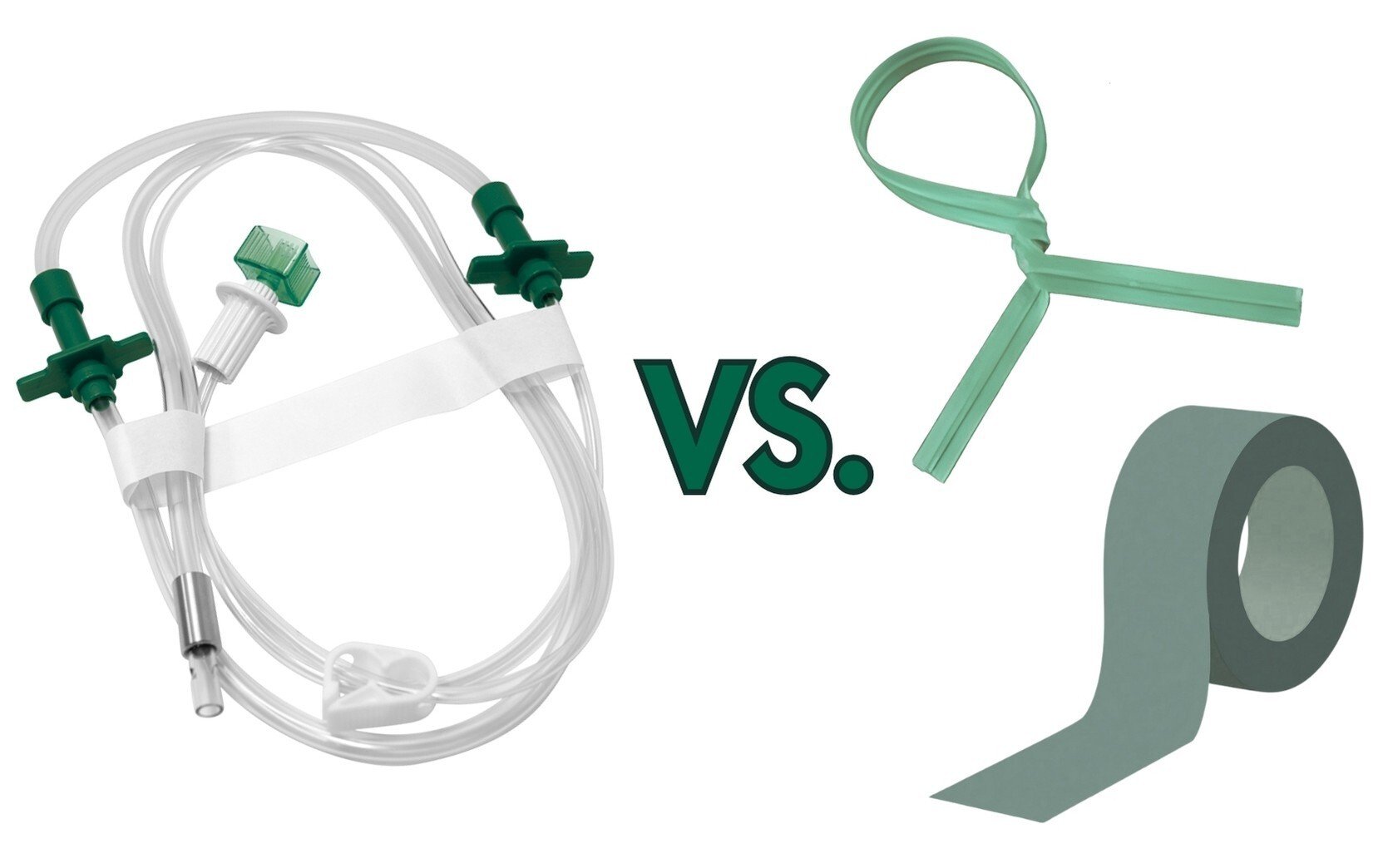



Sequential length programming with Ryandra's DM300 enhances efficiency and precision in complex medical tubing set assembly, streamlining workflows and reducing errors.
How Sequential Length Programming Simplifies Complex Tube Set Assembly
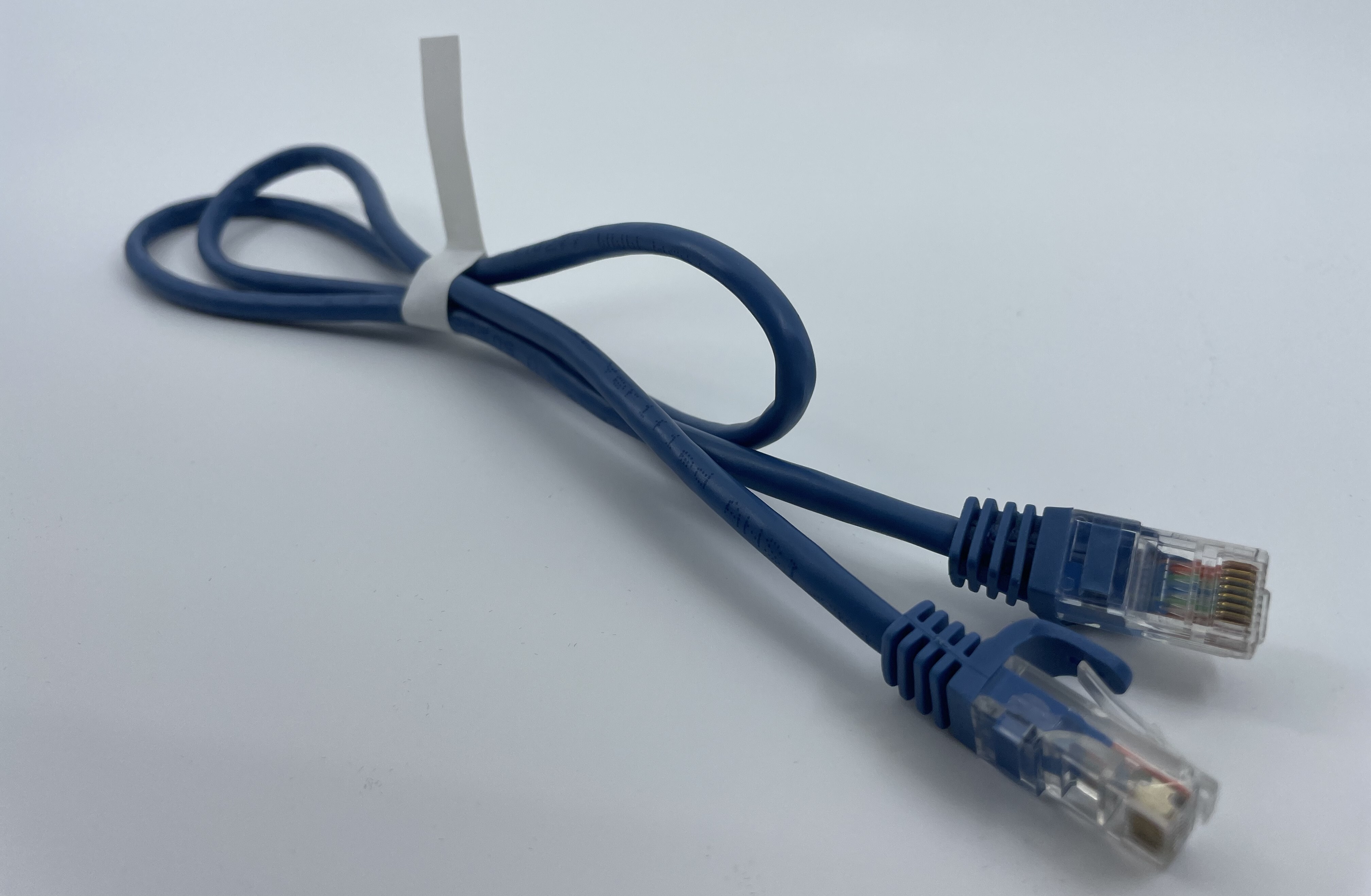
Medical device tubing sets often look straightforward from the outside. Behind the scenes, however, assembly can involve numerous small, repetitive tasks that demand consistency and precision. One area that frequently creates challenges is the application of cohesive tape.
For simple assemblies, operators may only need a single tape length repeated throughout the process. More complex tubing sets are different. They often require multiple tape lengths applied at different points to secure tubing, organize components, or prepare the finished set for packaging and shipment.
Managing those variations efficiently can become a bottleneck, particularly as production volumes increase. That's why manufacturers are increasingly looking for ways to reduce manual adjustments and create more streamlined assembly workflows. One solution that can make a significant difference is sequential length programming.
Why Multiple Tape Lengths Create Complexity
Many tubing sets require different amounts of cohesive tape throughout the assembly process. An operator may need one length to secure a section of tubing, another length to bundle a component, and a third length to complete the final package configuration.
When tape is cut manually, operators must constantly measure, estimate, or switch between cutting methods. Even when automated dispensing equipment is used, production can still slow down if operators must frequently stop to enter new length settings.
The more often those adjustments occur, the greater the opportunity for:
- Production delays
- Inconsistent tape lengths
- Operator frustration
- Assembly errors
- Increased training requirements
Individually, these issues may seem minor. Combined across hundreds or thousands of assemblies, they can have a measurable impact on productivity and quality.
What Is Sequential Length Programming?
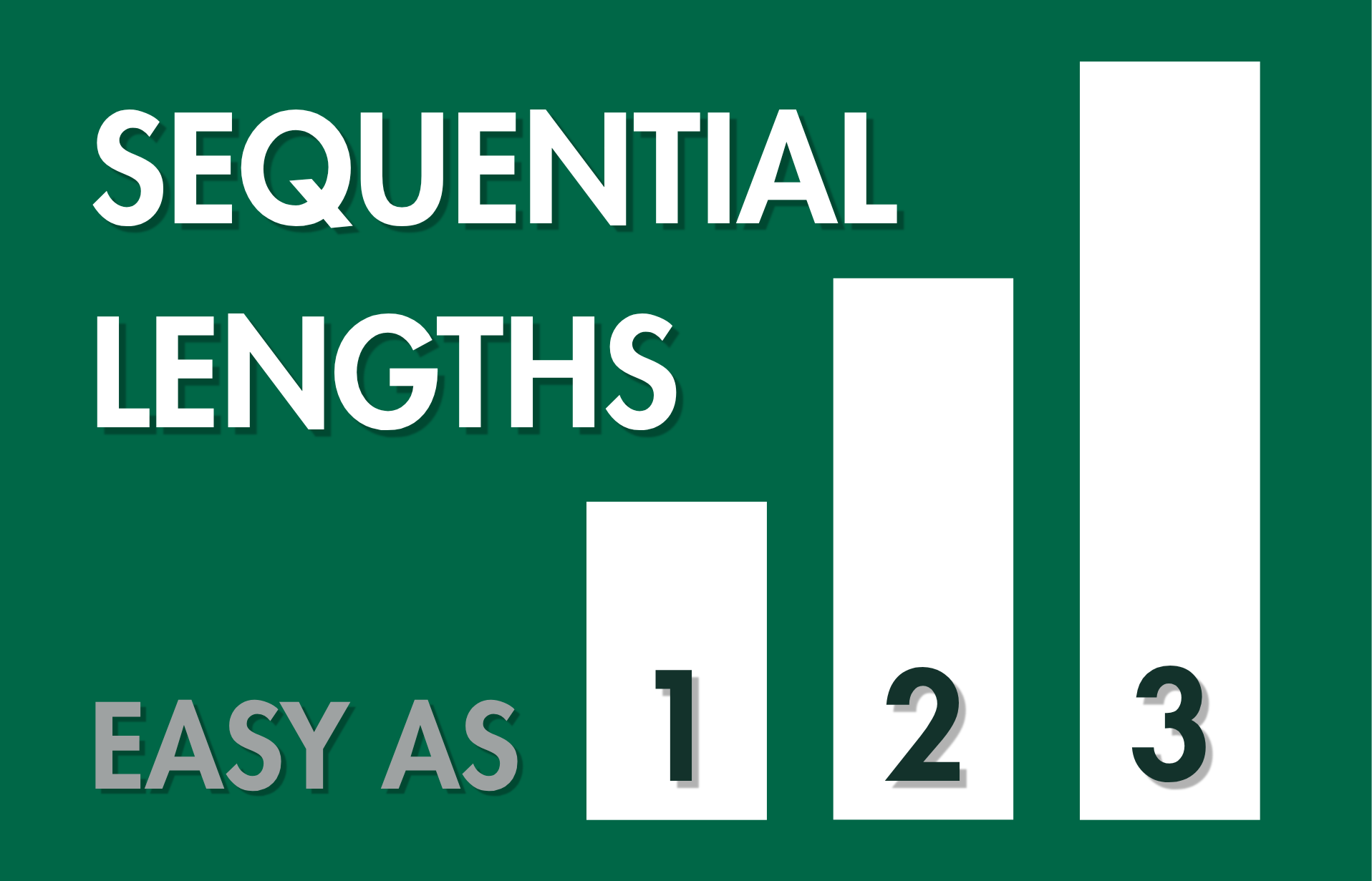
Sequential length programming allows a tape dispenser to automatically dispense a predefined sequence of different tape lengths.
Rather than manually changing settings throughout the assembly process, operators can program the required lengths in advance. The dispenser then follows that sequence automatically as each piece of tape is dispensed.
For example, if a tubing set requires three different tape lengths in a specific order, the system can progress through that sequence without requiring the operator to stop and reconfigure the machine.
The result is a more streamlined workflow that keeps production moving.
Benefits for Work Cell Manufacturing
Sequential length programming is particularly valuable in work cell environments where a single operator may complete multiple assembly tasks from start to finish.
In these settings, efficiency often depends on minimizing interruptions and reducing unnecessary motion. Every time an operator pauses to adjust equipment, productivity suffers.
By automating length changes, manufacturers can create a smoother assembly process that allows operators to focus on the task at hand rather than managing equipment settings.
This approach can help support:
Greater Process Consistency
When programmed lengths are delivered automatically, every assembly follows the same process. This reduces variability between operators and shifts.
Improved Throughput
Removing manual adjustments helps keep products flowing through the assembly cell. Small time savings at each step can create significant gains over the course of a production run.
Easier Operator Training
Standardized processes are generally easier to teach and repeat. New operators can quickly learn the sequence without memorizing multiple cutting specifications.
Reduced Risk of Errors
Automating tape lengths can help eliminate mistakes that occur when incorrect settings are selected or measurements are estimated manually.
Supporting More Complex Assemblies
As medical devices continue to evolve, tubing sets often become more sophisticated. Additional components, specialized packaging requirements, and customized configurations can all increase assembly complexity.
Equipment that can adapt to those changing requirements provides greater flexibility for manufacturers.
Sequential length programming allows production teams to manage a variety of assemblies without introducing additional process complexity. Instead of treating each tape application as a separate setup, the entire sequence can be incorporated into a single, repeatable workflow.
This flexibility can be especially valuable for organizations producing multiple product variations or lower-volume assemblies with unique requirements.
Conclusion
Complex tubing set assembly often requires more than simply cutting tape to length. As production requirements evolve, manufacturers benefit from solutions that streamline workflows and reduce unnecessary manual intervention.
With decades of experience supporting medical and industrial assembly applications, Tapecon understands the challenges manufacturers face when balancing efficiency, quality, and flexibility. The Ryandra DM300 tape dispenser was designed to help simplify assembly operations with features such as sequential length programming, allowing operators to move through complex workflows more efficiently.
Interested in seeing how the DM300 can support your assembly process? Contact the Tapecon team to learn more or schedule a demonstration.
.png)