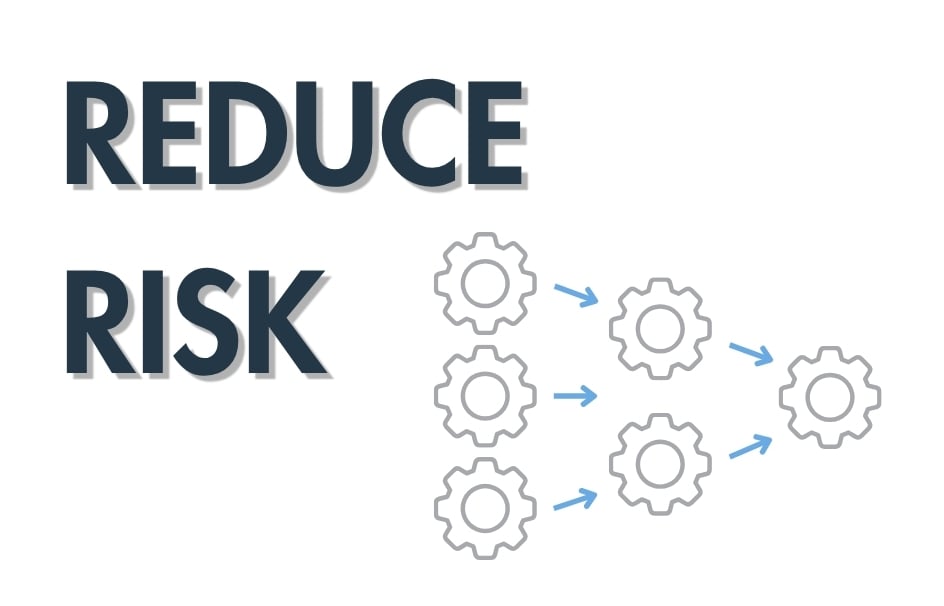




Manufacturing consolidation can reduce supply chain risks, enhance quality, and improve lead times in a variety of applications.
Reducing Supply Chain Risk Through Manufacturing Consolidation
Supply chain risk has become a constant concern for product teams, especially in Life Sciences and Industrial markets where quality, consistency, and timing directly affect downstream operations. While many organizations focus on sourcing strategies or inventory buffers, one of the most effective ways to reduce risk often receives less attention: consolidating manufacturing steps under a single, capable partner.
For products that rely on printed and converted components, consolidation can simplify workflows, improve quality control, and create more predictable outcomes from prototype through full production.
Where Risk Commonly Enters the Supply Chain
In a fragmented manufacturing model, printing, converting, laminating, and finishing are sometimes handled by separate vendors. Each handoff introduces opportunity for variation, misalignment, or delay. Even small changes in material handling, registration, or process controls can cascade into larger issues once components reach assembly or final use.
Common risk points include inconsistent material specifications between suppliers, limited visibility into upstream process changes, longer lead times due to transportation and scheduling gaps, and communication breakdowns when issues arise. In regulated environments, these challenges can also complicate documentation, traceability, and change management.
What Manufacturing Consolidation Really Means
Manufacturing consolidation is not simply about reducing the number of suppliers. It is about aligning multiple production disciplines under a single quality system, process framework, and accountable partner.
For printed and converted components, effective consolidation often includes:
- Multiple printing technologies coordinated within one operation
- Precision converting, laminating, and finishing managed alongside printing
- Material, ink, and adhesive decisions evaluated with downstream performance in mind
- Shared process controls that span from raw material handling through final inspection
When these capabilities operate together, design and production decisions are informed by the full manufacturing lifecycle rather than optimized in isolation. This alignment helps reduce rework, secondary handling, and corrective actions later in the process, particularly as programs scale from prototype to volume production.
For teams evaluating whether consolidation makes sense, understanding the broader outsourced manufacturing landscape is critical. Tapecon’s Outsourced Manufacturing Guide explores these considerations in detail, helping product teams assess when consolidation can reduce risk and when it may introduce new complexity.
Quality and Consistency Benefits
One of the most tangible benefits of consolidation is improved consistency. When printing and converting are managed within the same operation, process controls can be applied holistically rather than retroactively.
Material selection, ink systems, and finishing methods are evaluated together, helping ensure that durability, adhesion, and performance expectations are met across the entire component lifecycle. This is particularly important for medical and industrial applications, where exposure to chemicals, abrasion, or sterilization processes can reveal weaknesses over time.
With fewer external variables, teams also gain clearer root cause analysis when issues do occur, making corrective actions faster and more effective.
Lead Time and Responsiveness
Consolidation can also reduce lead times by eliminating inter-vendor scheduling dependencies. When production steps are coordinated internally, transitions between printing and converting happen with less queue time and fewer logistical delays.
This responsiveness becomes especially valuable during design iterations or early production ramps. Adjustments to artwork, materials, or tolerances can be evaluated and implemented more quickly when all stakeholders are operating within the same production environment.
For product managers and purchasers, this often translates into more reliable delivery schedules and fewer last-minute surprises.
Risk Reduction in Regulated and High-Reliability Markets
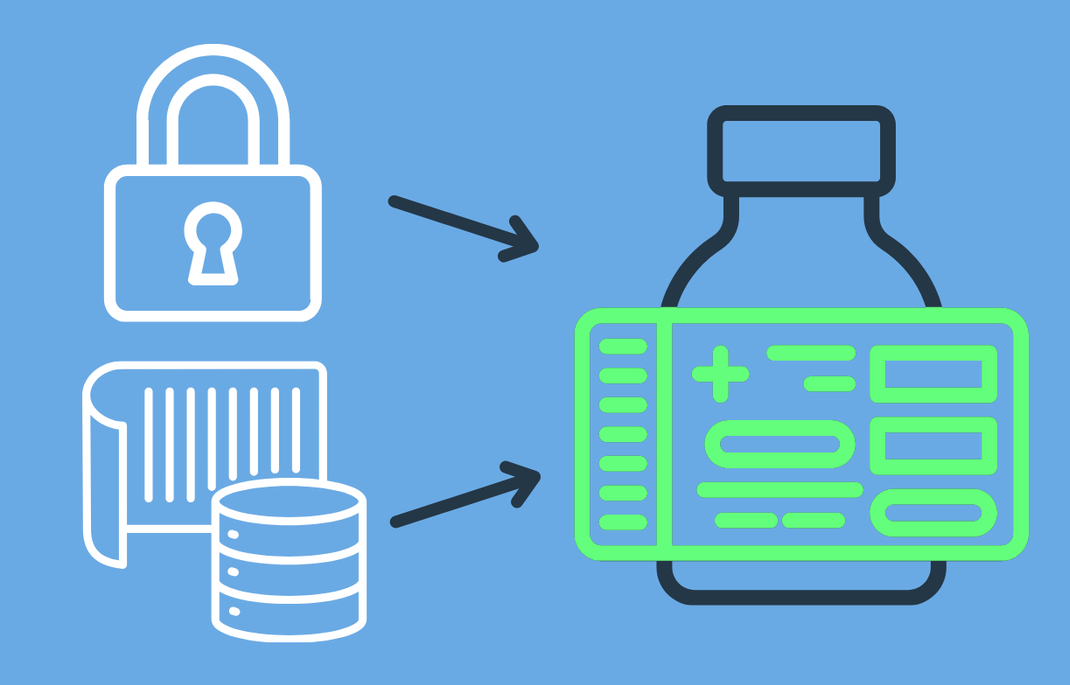
Life Sciences applications introduce additional layers of risk related to documentation, validation, and controlled change. Managing these requirements across multiple suppliers increases administrative burden and the chance of misalignment.
Consolidated manufacturing supports clearer traceability and more consistent documentation practices. Process changes can be assessed for impact across printing and converting simultaneously, reducing the likelihood of unintended downstream effects. This integrated approach supports compliance while still allowing for scalability as volumes grow.
Industrial applications benefit in similar ways, particularly where durability and long-term performance are critical.
Cost Control Without Sacrificing Flexibility
While cost reduction is often associated with consolidation, the more meaningful advantage is cost control. Integrated manufacturing helps prevent hidden costs tied to scrap, rework, expedited shipping, and quality escapes.
At the same time, consolidated partners with multiple printing and converting technologies can maintain flexibility. Volume shifts, design updates, and material changes can be accommodated without restarting the supplier qualification process or introducing new operational risk.
Let’s Make Something Great
Manufacturing consolidation offers a practical path to reducing supply chain risk while improving quality, responsiveness, and control. By integrating printing, converting, and finishing under one experienced partner, product teams can simplify complexity and gain greater confidence from early development through full-scale production.
Tapecon brings decades of experience supporting high-reliability applications across Life Sciences and Industrial markets, with integrated capabilities designed to reduce risk and support scalable manufacturing. To explore how a consolidated manufacturing approach could support your next program, connect with the Tapecon team to start the conversation.